CONSERVATION
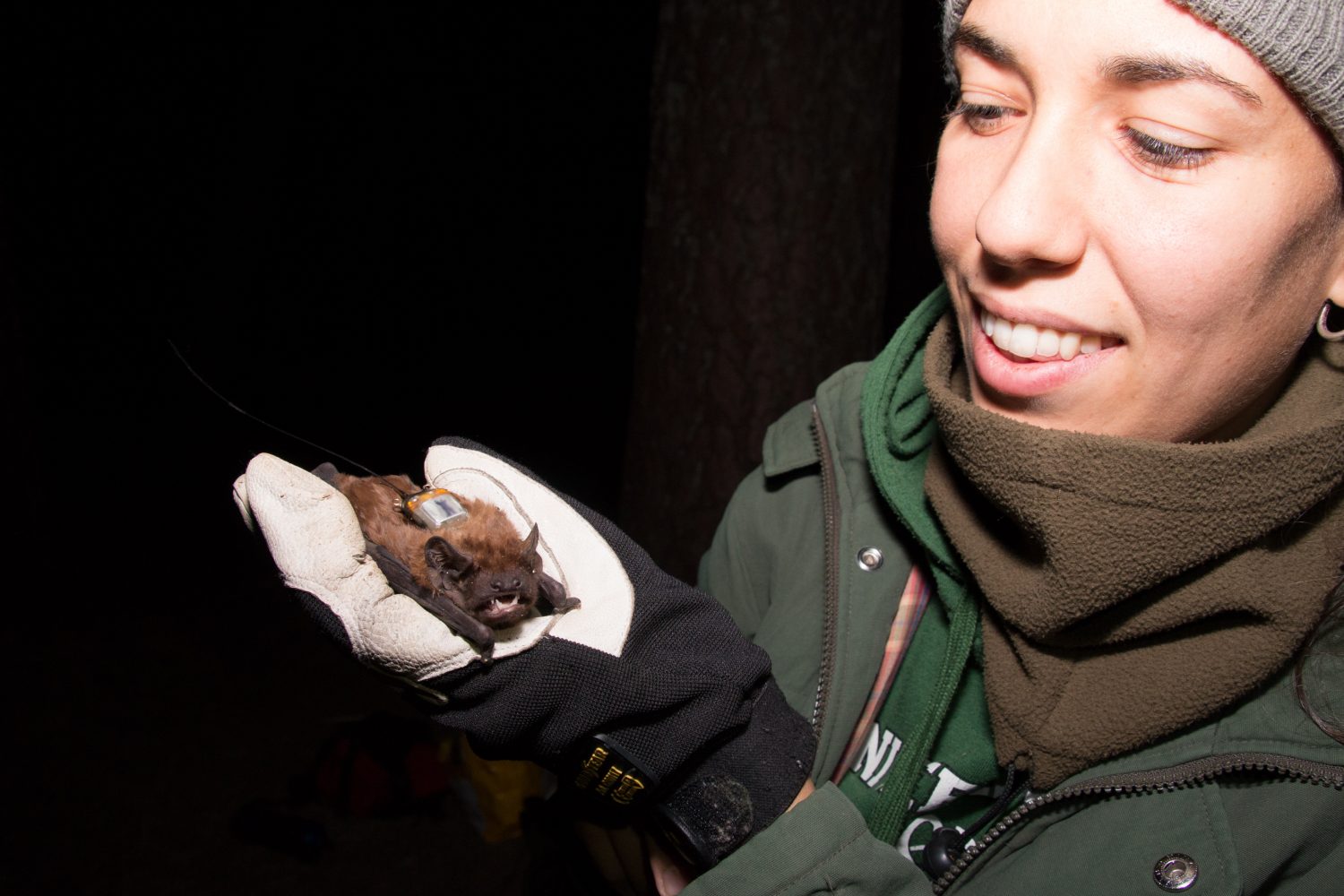
Unfortunately for our society, many animals carry an undeserved negative reputation, and bats are one of them. Bats provide us with more beneficial services in our daily lives than any other animal group we can think of, not least because of their great diversity and wide distribution. This group of mammals is found all over the globe (except at the poles) and comprises some 1,400 different species. Think of the mammals you know… for every five of them, there would be one bat species.
The decline of several bat species in Europe is mainly caused by human activity. The most significant threats are:
- The alteration of natural habitats, which in many places have been replaced by intensive farming or by uniform, single-species forestry plantations.
- Disturbance and vandalism at roosts, especially during the breeding and hibernation seasons. These actions can wipe out large colonies or destroy their roosts.
- The loss of roosts through building restoration, works in caves or the felling of trees with cavities.
- The death of bats from pesticide poisoning, especially when treatments are applied where colonies breed or hibernate.
- The death of bats in accidents at wind farms, on roads and at other human infrastructure.
- SECEMU has produced Basic guidelines for assessing the impact of wind farms on bat populations in Spain, which can be downloaded here (in Spanish).
- SECEMU has also recently contributed to the Manual for the conservation and monitoring of forest bats (in Spanish).
- Further plans and recommendations for the management and conservation of bats in Portugal are available on the website of the Instituto da Conservação da Natureza e das Florestas (ICNF).
- Recommendations for the Protection of Biodiversity that Uses Buildings for Roosting or Nesting, by SEO/BirdLife and SECEMU (in Spanish).


It is essential to eliminate, or at least reduce, these impacts, which sometimes cause high mortality. To this end, we should:
- Maintain the good quality of the natural habitats where bats live and hunt.
- Keep valuable roosts in good condition, such as caves, buildings or trees where bats breed and hibernate, and keep them free from disturbance.
- Avoid pesticide treatments in bat roosts, especially organochlorines and organophosphates.
- Carry out preliminary studies of bat activity in areas where wind farms are planned, to prevent later mortality and, where needed, take measures to reduce it.
- Run public awareness campaigns so that we all get to know these amazing animals better, leaving behind false superstitions and fears and valuing their presence around us.
- Carry out and support actions that benefit bat populations, such as installing bat boxes where natural roosts are scarce, or protecting specific roosts from disturbance and vandalism.


Grupo secemu

Grupo secemu

Grupo secemu
Laura-Torrent____