10TH SECEMU CONFERENCE
Spanish Association for the Conservation and Research of Bats
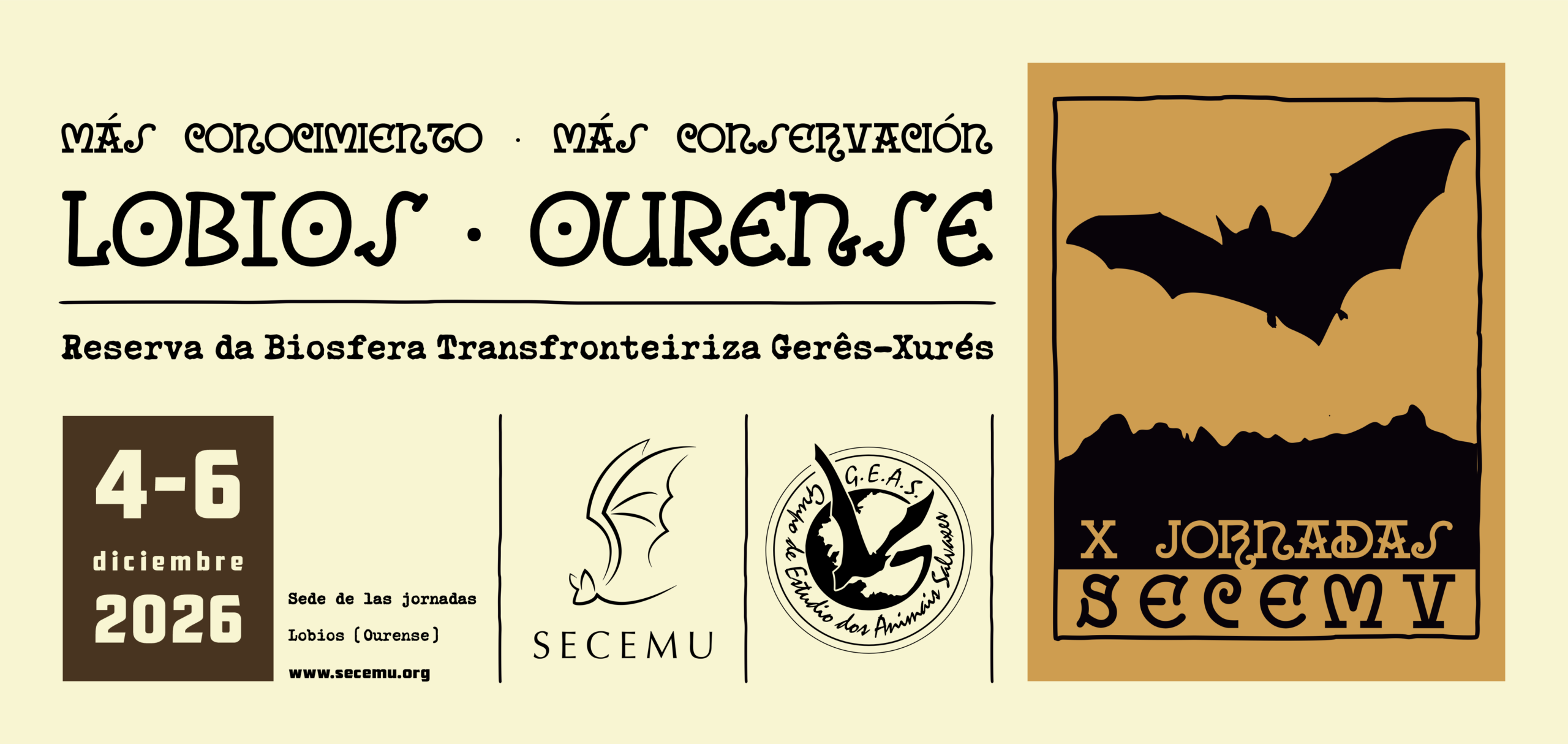
10th SECEMU Conference: Lobios (Ourense) (4, 5 and 6 December 2026)
SECEMU, the Spanish Association for the Conservation and Research of Bats, brings together professionals and researchers working with bats in Spain, Portugal, Andorra and Gibraltar.
To encourage the exchange of information and experience among them, it has held a series of conferences since 1992.
This year, 2026, we will hold the 10th SECEMU Conference, which will take place in Lobios, Ourense, on 4, 5 and 6 December.
Lobios, at the heart of the Gerês-Xurés Transboundary Biosphere Reserve, is close to major cities such as Santiago de Compostela, Porto (2 h) and Ourense (1 h), and offers the chance to enjoy the conference in an outstanding natural and cultural setting, a true biogeographical bridge where many species of flora and fauna live side by side.
ORGANISING BODIES
CONFERENCE VENUE
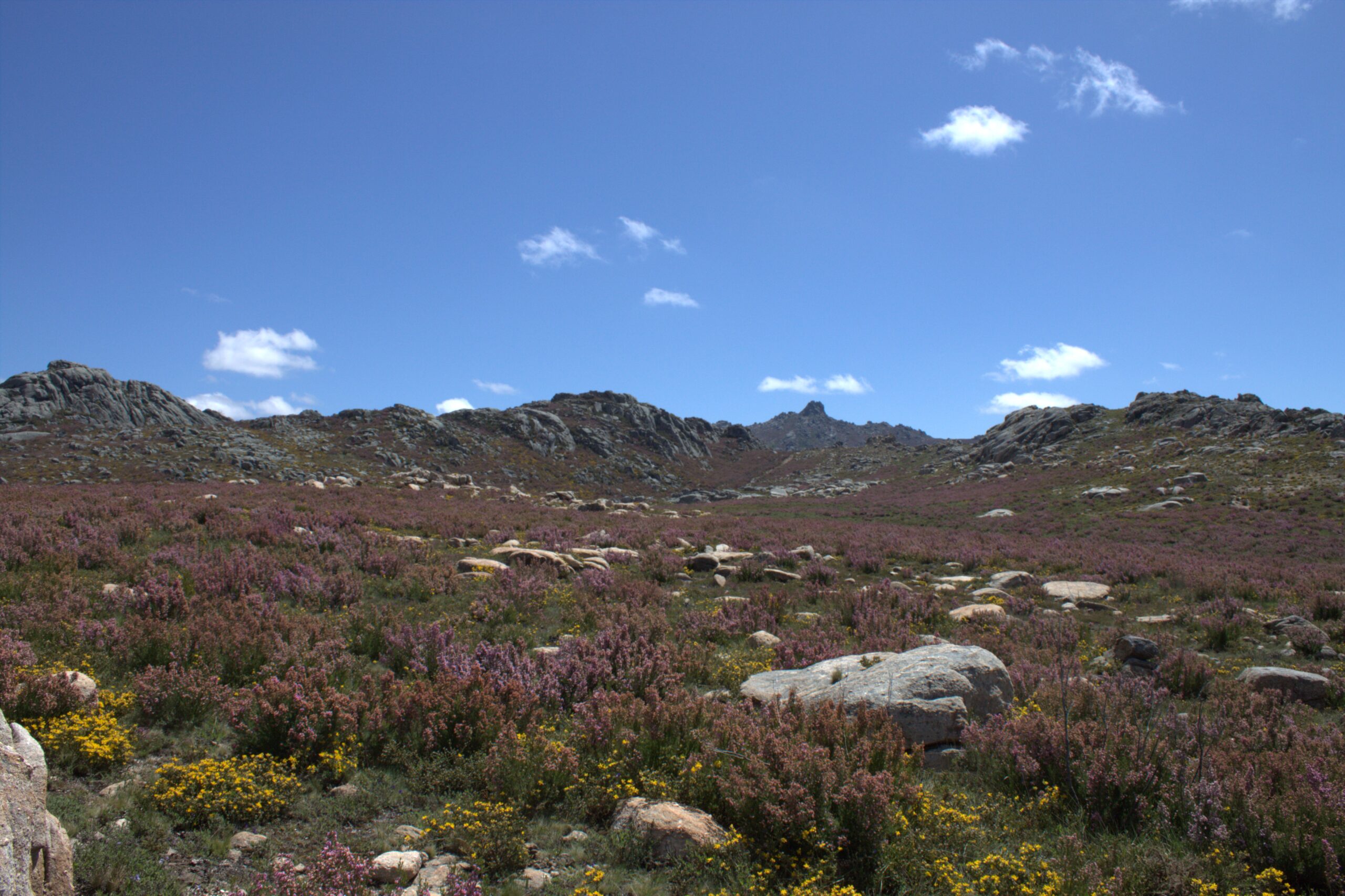
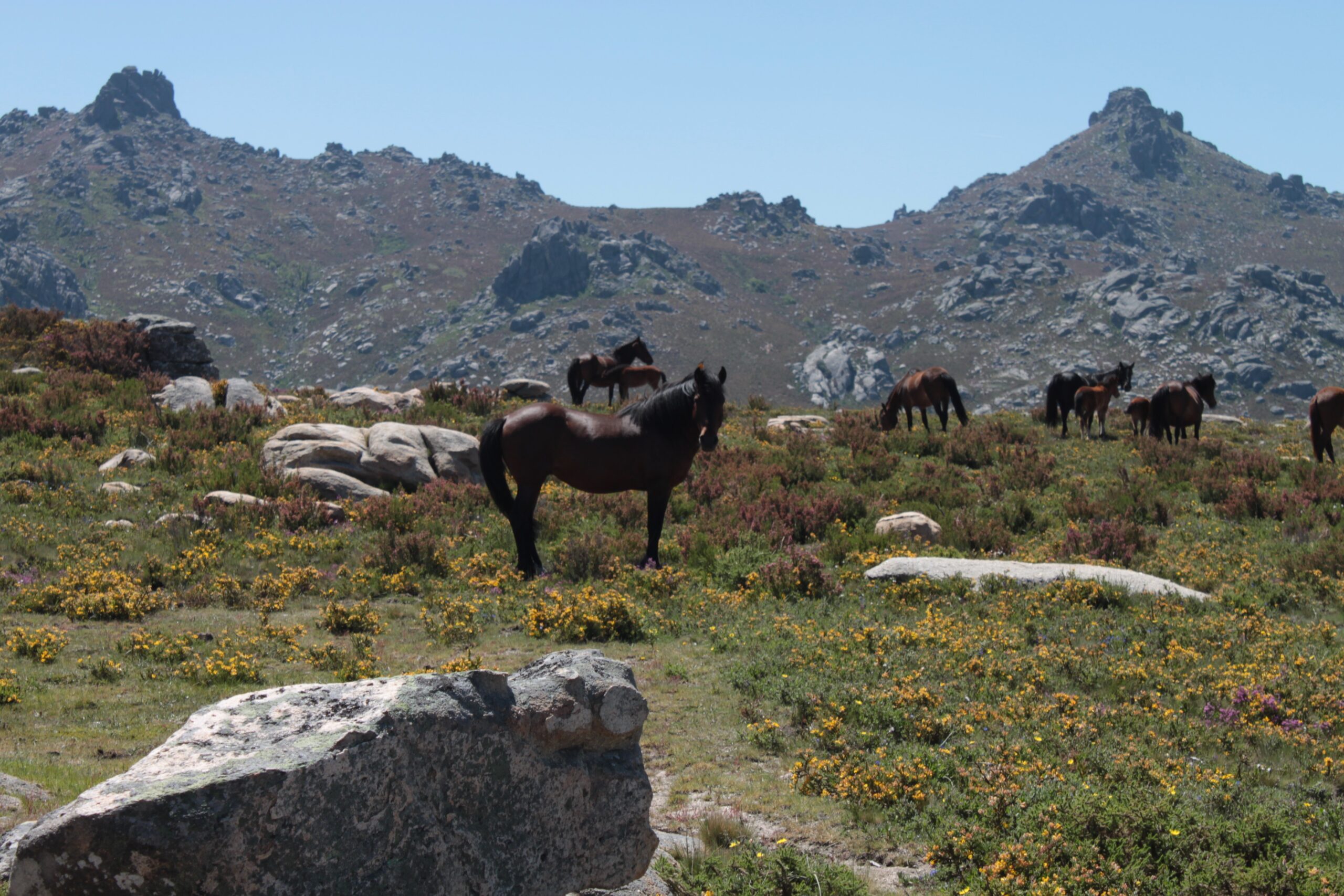
Lobios (Ourense). Gerês-Xurés Transboundary Biosphere Reserve.
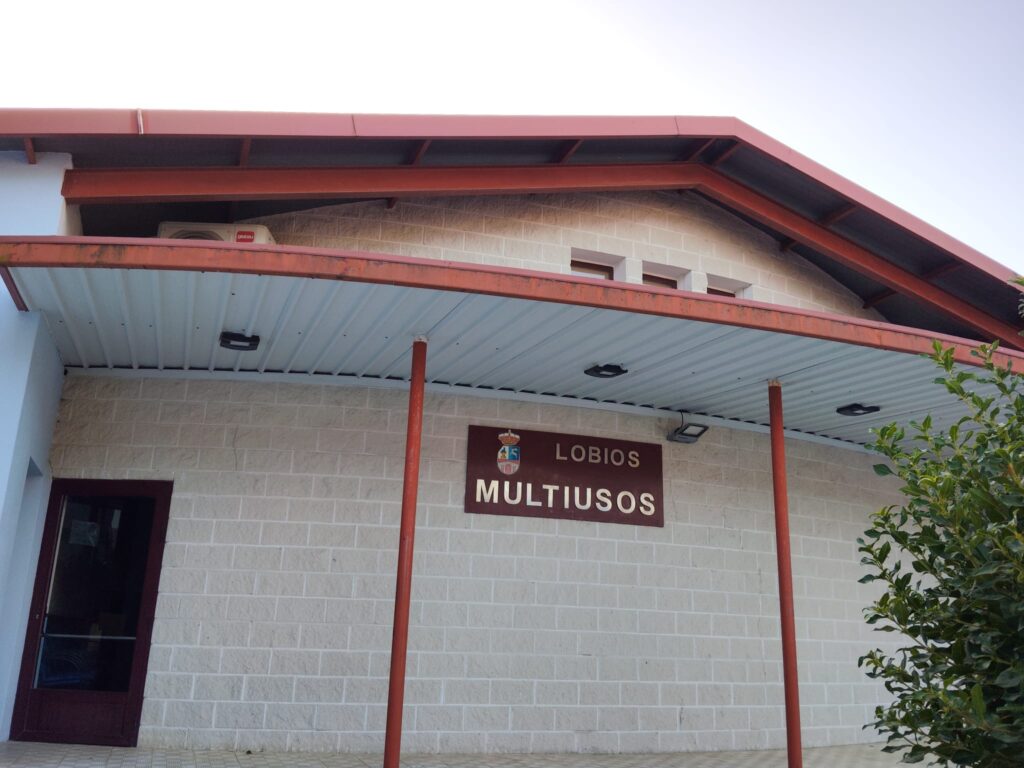
The conference will be held at the Lobios Municipal Multi-purpose Building.
Estrada de Portugal, 31, 32870 Lobios, Ourense
https://maps.app.goo.gl/aFABLQMcRhjyijLn9
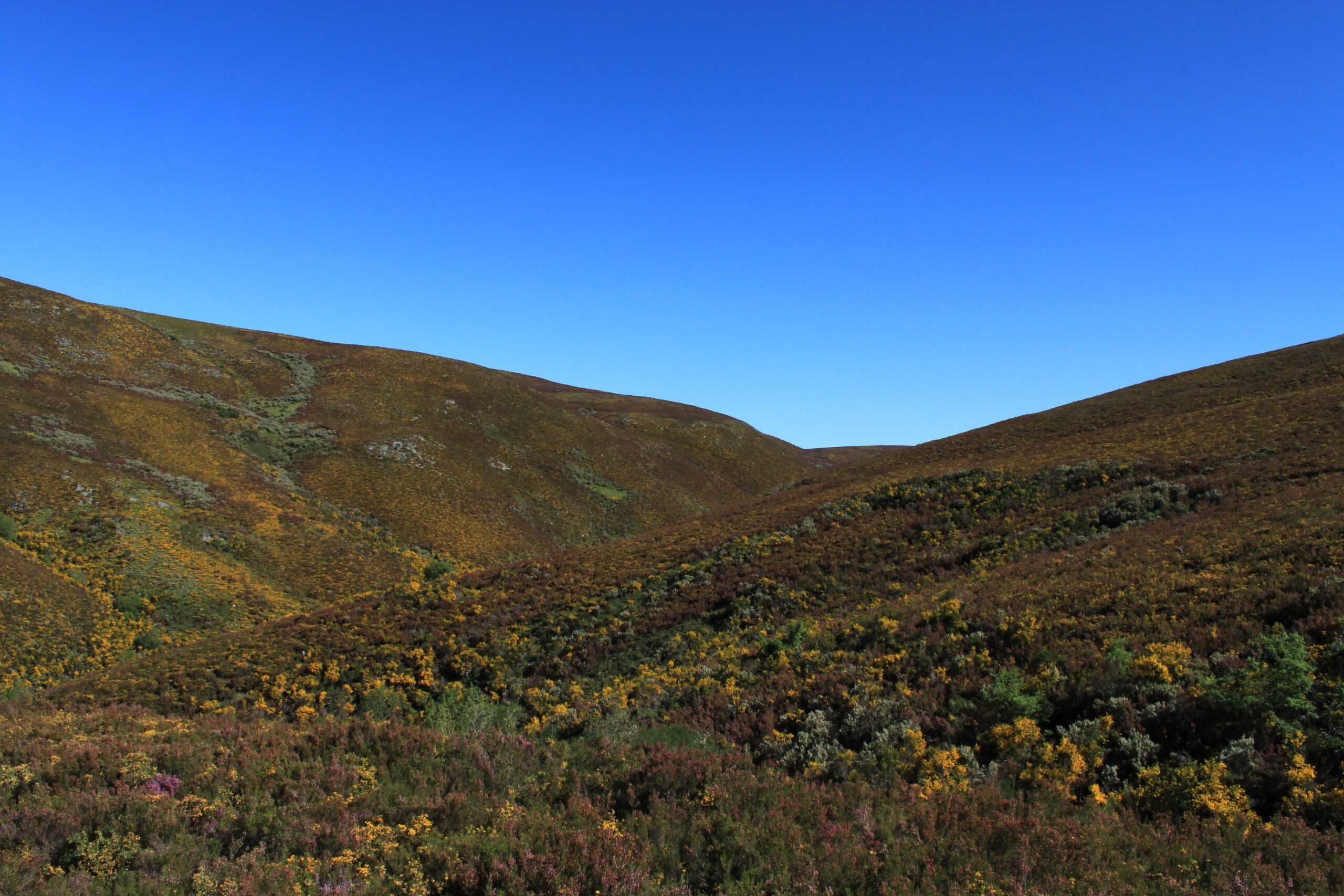
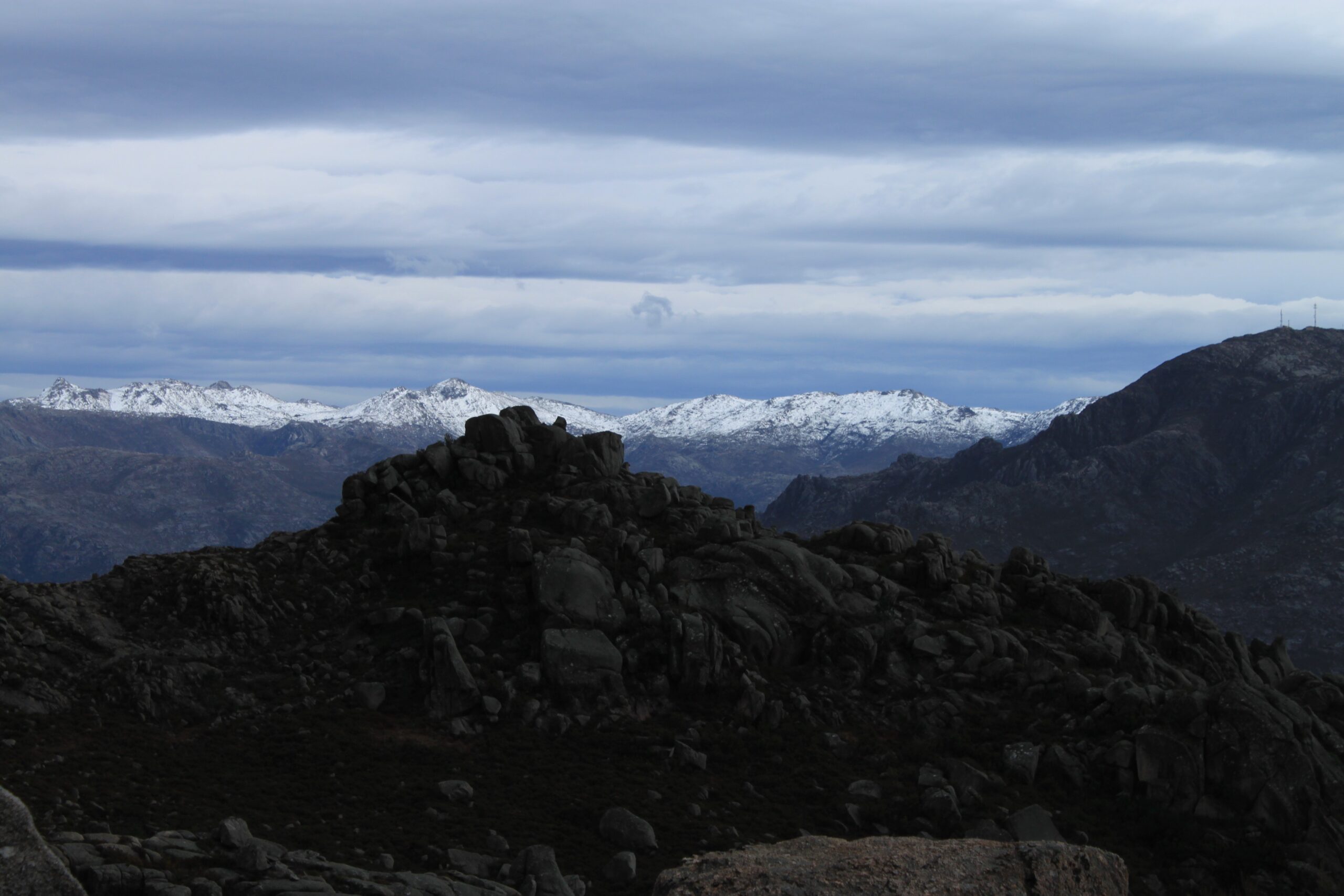
Lobios lies at the heart of the Gerês-Xurés Transboundary Biosphere Reserve, a protected natural area of outstanding ecological value, dominated by imposing granite formations, deep river valleys and dense native woodland of oak, holly and strawberry tree. This border territory between Galicia and northern Portugal stands out for its rich biodiversity, its abundant water, visible in waterfalls, mountain rivers and natural hot springs, and its age-old history linked to the Roman road Via Nova, forming a wild, serene and exceptionally unspoilt landscape.
KEY DATES
- Conference: 4, 5 and 6 December 2026.
- Conference registration: from 20 August to 30 November.
- Early-bird registration: from 24 August to 1 November.
- Standard registration: from 1 November to 30 November.
- Abstract submission: from 24 August to 1 November.
- Photo competition entries: from 10 September to 1 November.
REGISTRATION
To register, please fill in the registration form, attaching proof of payment of the relevant fee (more information on the form).
| Until 1 November | After 1 November | |
| Standard registration | 120€ | 170€ |
| Members of SECEMU, GEAS, COBGA and SECEM | 90€ | 140€ |
| Unemployed and students* | 60€ | 110€ |
* Students and unemployed participants must attach a student card or proof of unemployment when registering.
Registration includes conference materials, attendance at sessions and other scheduled cultural activities, presentation of papers, coffee breaks, lunch on Saturday 5 and Sunday 6 December, and the welcome drink on Friday 4 December.
A dinner will be held on Saturday 5 December, priced at €30. If you would like to attend, remember to say so on the form and add the amount to your registration fee when you make the bank transfer.
When you register, your personal data will be included in a file owned by SECEMU for the purpose of keeping in touch with you in connection with the 10th SECEMU Conference.
Under Spanish Organic Law 15/1999, you may exercise your rights of access, rectification, cancellation and, where applicable, objection by sending a written request, together with a photocopy of your ID document, to: [email protected].
PROGRAMME
More details coming soon.
- Friday 4 December:
- Morning: participant registration opens.
- Afternoon: opening lecture and workshops.
- Saturday 5 December:
- Morning: presentations.
- Afternoon: presentations and general assembly.
- Sunday 6 December:
- Morning: conference continues, awards ceremony and closing lecture.
PRESENTATIONS
The deadline for submitting abstracts for oral presentations and posters is:
From 24 August to 1 November 2026 at 23:59.
Abstracts must use the template provided and be attached to the registration form or emailed to: [email protected], stating in the subject line whether it is an oral or a poster presentation.
General guidelines
- Abstracts and presentations may be in Spanish, Portuguese and/or English.
- Each person may give a maximum of two presentations: one oral and one poster. The presenter must be registered for the 10th SECEMU Conference.
- Abstracts for oral and poster presentations must be between 200 and 300 words.
- All submissions will be reviewed by the scientific committee, which will notify authors from 1 October 2026.
- Submissions will be peer reviewed.
- If you submitted an abstract for an oral presentation and it was not selected, the scientific committee may offer you the option of presenting it as a poster.
- If the author and the reviewers disagree, a third opinion will be sought from another member of the scientific committee.
- All oral and poster presentations will be included in the Book of Abstracts of the 10th SECEMU Conference.
- A digital certificate of attendance at the 10th SECEMU Conference as an oral or poster presenter will be sent by email.
Guidelines for oral presentations
- Oral presentations should be supported by slides (Canva, PowerPoint or similar), which must be emailed to [email protected] in the chosen format and also as a PDF before 2 December 2026.
- Each oral presentation will last 10 minutes, plus 5 minutes for questions.
- Speakers may not exceed the time allotted in the programme.
- Timings will be available in the programme soon.
- Please check that the programme details for your presentation are correct.
Guidelines for poster presentations
- One of the poster authors must give a short oral summary of the aims, results and conclusions, and answer any questions during the poster session.
- Each oral poster summary will last 5 minutes.
- Each author will have a space of approximately 90 x 120 cm, which must not be exceeded. Posters must be in portrait format, normally A0 size.
Text should be at least 16 pt, and Arial or a similar font is recommended.
- Posters will be displayed on 4 and 5 December.
- Authors are responsible for printing their posters.
- Authors must put up their posters before the opening lecture on 4 December 2026.
- Each poster will be given a number showing where it will be displayed. This number can be found at the end of the Programme.
- Timings will be available in the Programme soon.
- Please check that the Programme details for your poster are correct.
- Authors who wish to may send, after the meeting, an A4 PDF copy of their poster to be shared with conference participants.
Download the guidelines and templates for presentations at the following links:
PHOTOGRAPHY COMPETITION/EXHIBITION
We are delighted to invite you to take part in the 2nd Iberian Bat Photography Competition.
The competition is open to anyone aged 18 or over (on the closing date) and resident in Spain, Portugal, Andorra or Gibraltar.
The main theme is “Bats” and entries are accepted in three categories:
-
- Bat biology, ecology and anatomy: images in which the bat is the main subject (alone or in a group). Photographs showing behaviour, flight, hunting methods or any other anatomical or ecological aspect will be valued.
- Bat studies and impacts: photographs focusing on scientific work or human impacts. The main focus should not be the animal itself, but research and monitoring activities or the impacts (positive or negative) of human activity on bat populations.
- Raising awareness of bats: images of educational activities, workshops, talks or any public event aimed at raising awareness and sharing knowledge about bats.
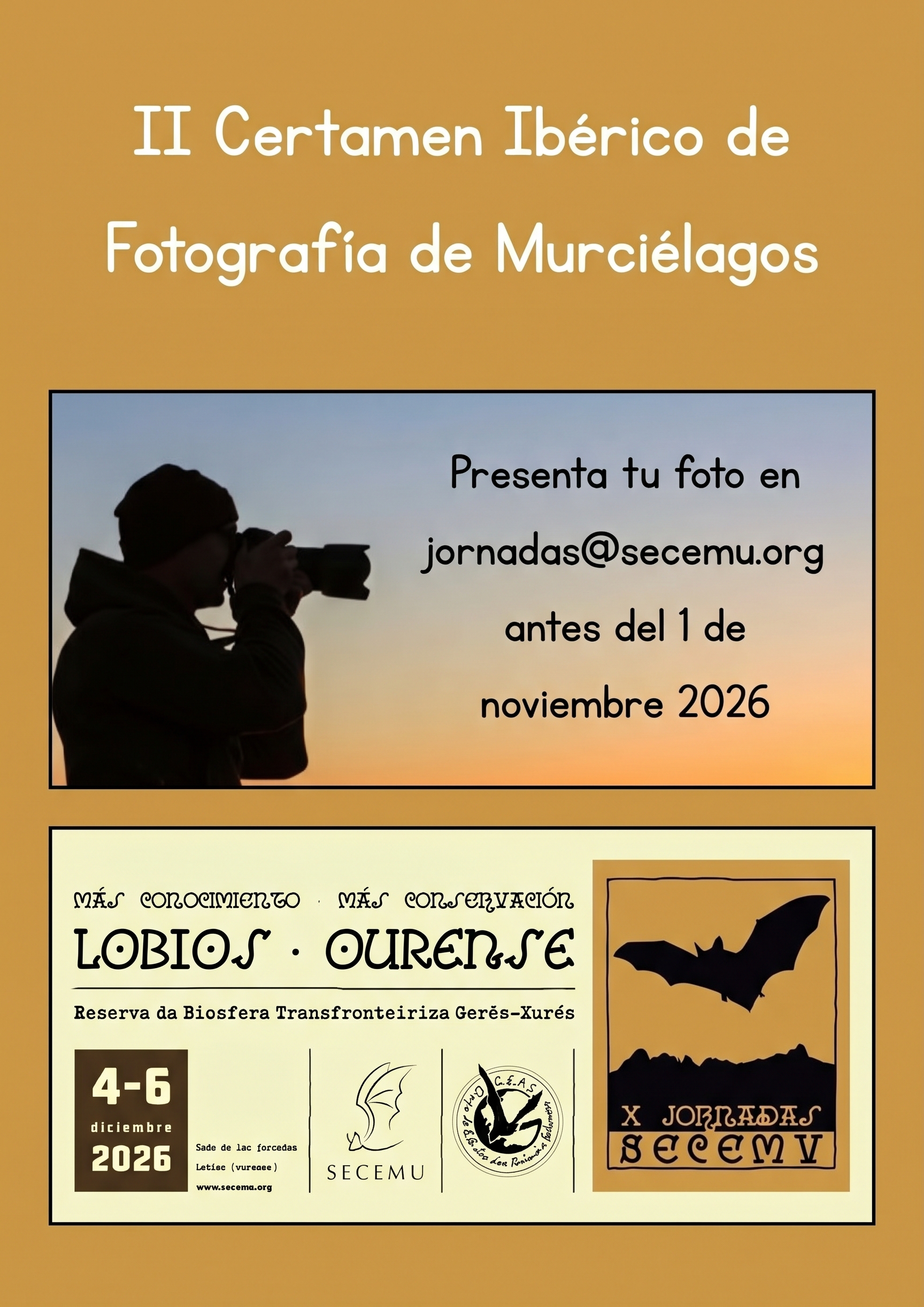
Photographs must be emailed to [email protected], with “Concurso de fotografía” in the subject line, before 1 November 2026 at 23:59. They must be in JPEG or TIFF format, at a resolution of 300 dpi, in RGB, with a minimum size of 3600 px on the longest side. Entries must also include the “Authorisation of rights to use photographic material from the photography competition of the 10th SECEMU Conference: 2nd Iberian Bat Photography Competition, for publicising SECEMU activities”, duly completed and signed (Annex II of the 2026 photography competition rules).
Each participant may submit up to 3 photographs that have not been used in other competitions or contests.
The following prizes will be awarded:
-
- Jury Prize for the best photograph.
- Conference honourable mention for the best photograph in the “Bat biology, ecology and anatomy” category.
- Conference honourable mention for the best photograph in the “Bat studies and impacts” category.
- Conference honourable mention for the best photograph in the “Raising awareness of bats” category.
No participant may win more than one prize; prizes are awarded in the order listed.
The Jury Prize for the best photograph will be awarded by a jury, while the Conference honourable mentions will be decided by a popular vote of participants during the 10th SECEMU Conference.
Photographs submitted will remain available to SECEMU and become part of its documentary archive for use in activities organised by SECEMU. Whenever SECEMU uses a photograph, the author will always be credited.
The photograph winning the “Jury Prize for the best photograph” and the 11 photographs receiving the most votes for the “Conference honourable mentions in each category” will illustrate the SECEMU 2027 calendar.
Don’t miss this opportunity! We look forward to your photos!
The decision of the Jury and of the 10th Conference participants will be announced on 6 December 2026, during the 10th Conference.
Would you like to enter? Download the rules here: Rules of the 2026 photography competition and Annex II, “Authorisation of rights to use photographic material from the photography competition of the 10th SECEMU Conference: 2nd Iberian Bat Photography Competition, for publicising SECEMU activities”.
ACCOMMODATION
You can find some suggestions for tourist resources in Galicia here:
https://www.turismo.gal/localizador-de-recursos?langId=es_ES
WHERE TO EAT?
Conference registration includes:
- Welcome drink on Friday 4 December.
- Coffee on Saturday morning and afternoon.
- Coffee on Sunday morning.
- Lunch on Saturday 5 December.
- Lunch on Sunday 6 December.
ORGANISING COMMITTEE

Jorge Fariña Garralda
Biologist (COBA 2.203) and environmental consultant.
As a good consultant, the villain of the piece; as a good biologist, the happiest of endings.
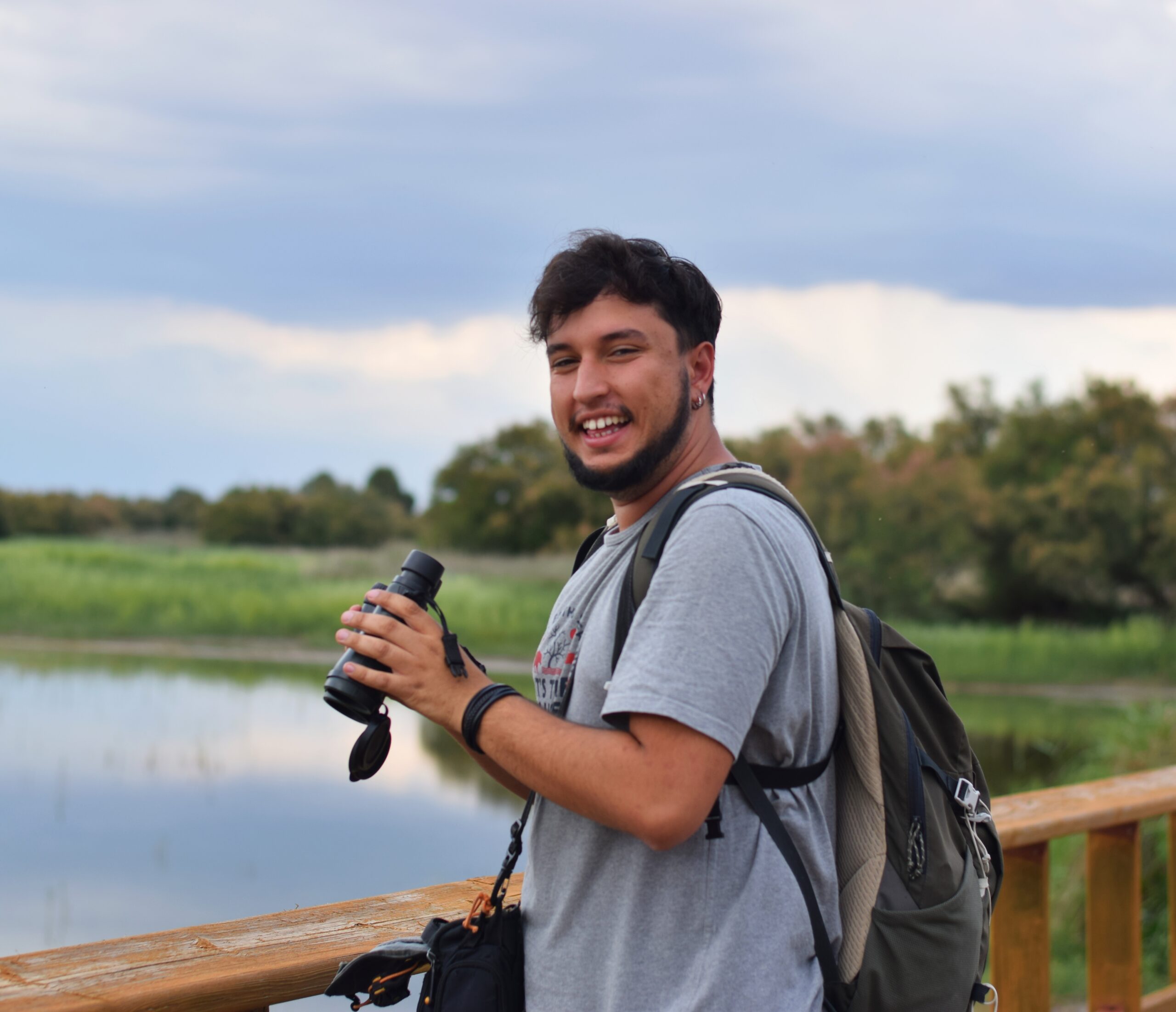
Jorge Sereno Cadierno
Jorge completed his PhD in 2026 at the Instituto de Investigación en Recursos Cinegéticos (Ciudad Real). Since 2018 he has worked on many bat conservation and research projects in Salamanca, the Region of Murcia, Castilla-La Mancha and Galicia, alongside outreach and teaching about these animals. He is broadly interested in the ecology, conservation and natural history of vertebrates (among other things) and collaborates on studies with various researchers and organisations.
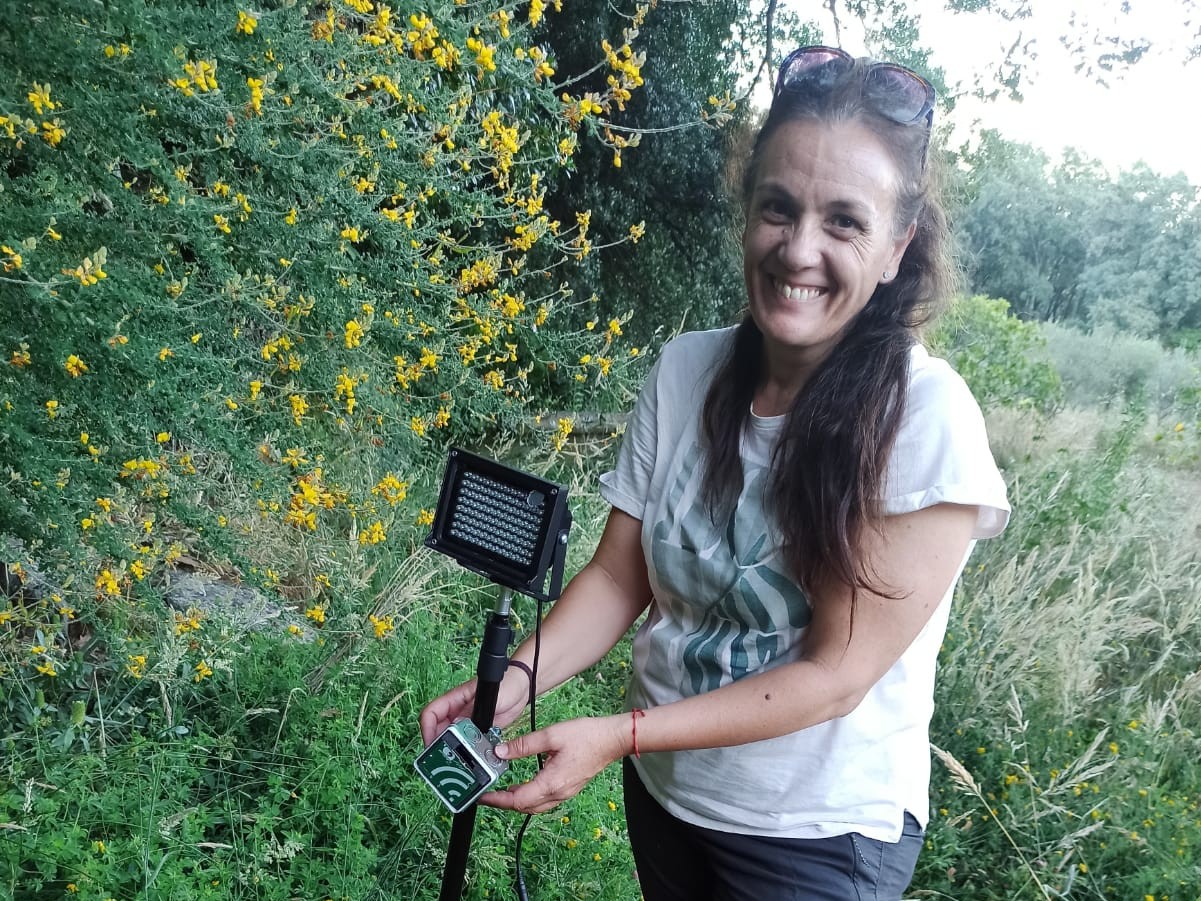
Silvia Mª Cabezas León
Silvia is a biologist (COBA member no. 2395) with more than 17 years of experience in environmental consultancy. In 2013 she founded Datum Ambiental, S.L., and that same year carried out her first bat study.
She has been a SECEMU member since 2021, sitting on the Outreach and Rescue Committees, and since October 2023 has worked at TRAGSATEC supporting the coordination of the Atlas and Red Book of the bats of Spain.
She is a member of the COBA Governing Board and of the Environment Committees at both Andalusian and national level (CGCOB). In this role she drafts and supports, among other things, submissions on national and regional legislation and defends them in the regional parliament.
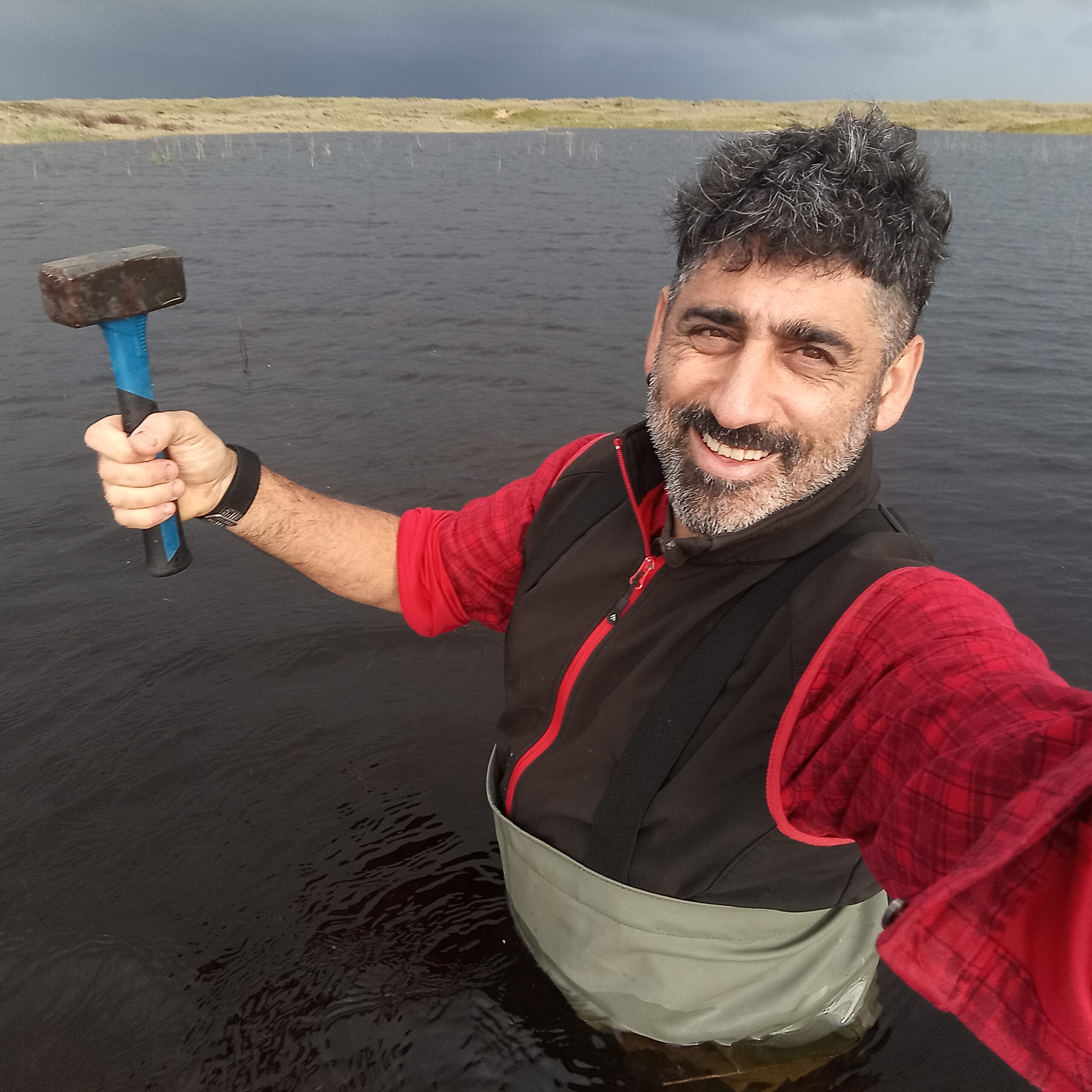
Xosé Pardavila Rodríguez
Xosé is a registered biologist (19755-X).
He has been involved in biodiversity management and conservation projects for more than 20 years.
Bats take up a large part of his professional work.
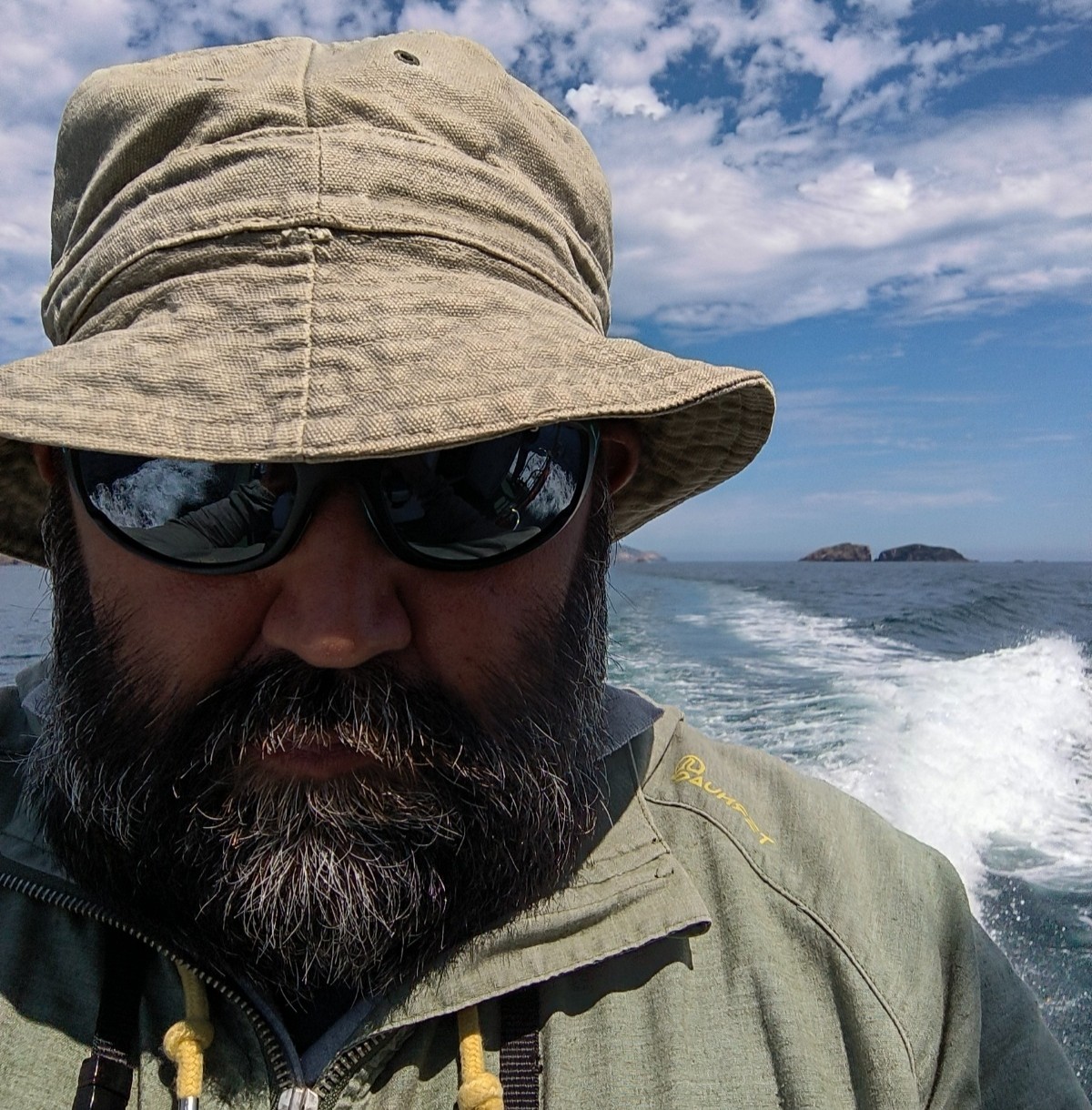
Alberto Gil Carrera
Environmental scientist.
With extensive experience in wildlife handling, his work has focused on monitoring and managing threatened and invasive alien species.
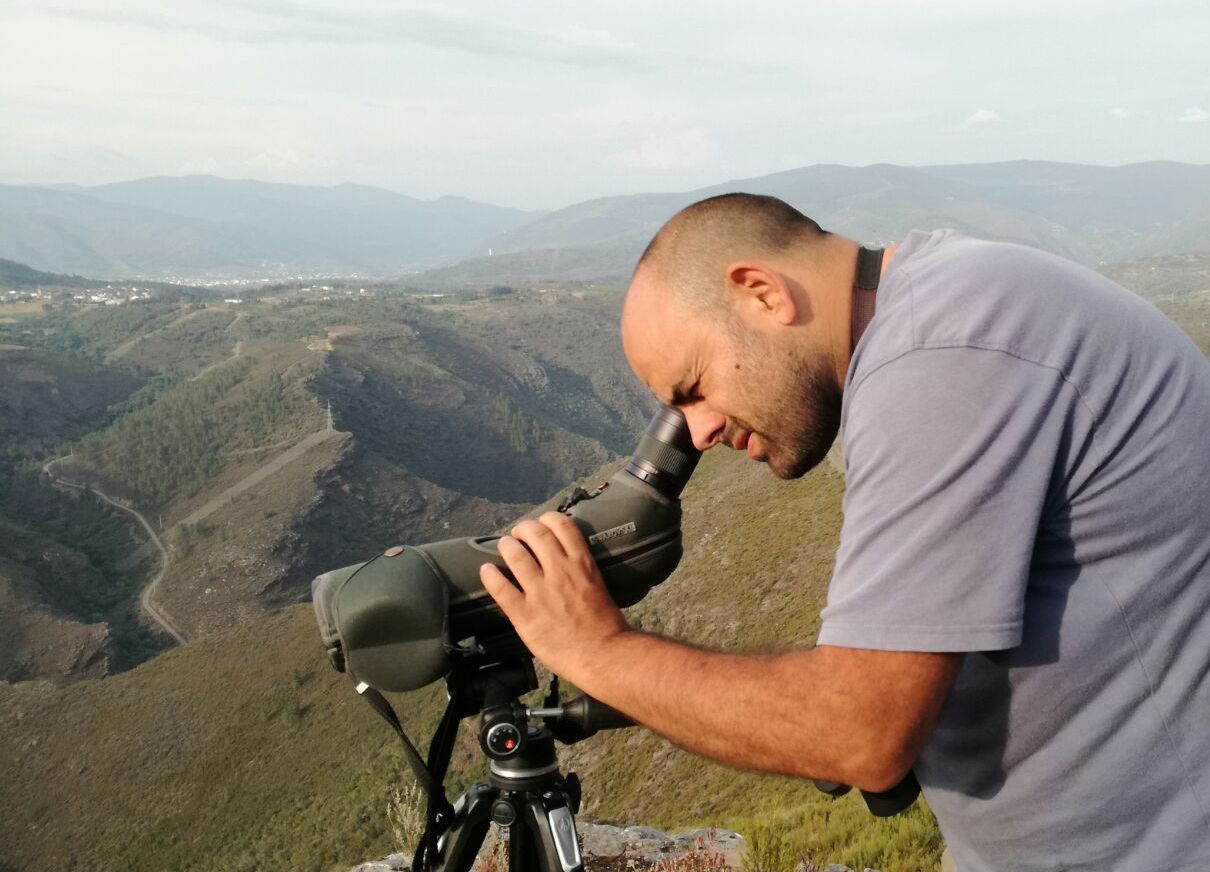
Adrián Lamosa Torres
Adrián is a biologist (registration no. 19481-X) with more than 21 years of professional experience in environmental and nature conservation fields, having worked on projects on the conservation of protected species and natural areas and on the environmental effects of electricity generation and transmission infrastructure.
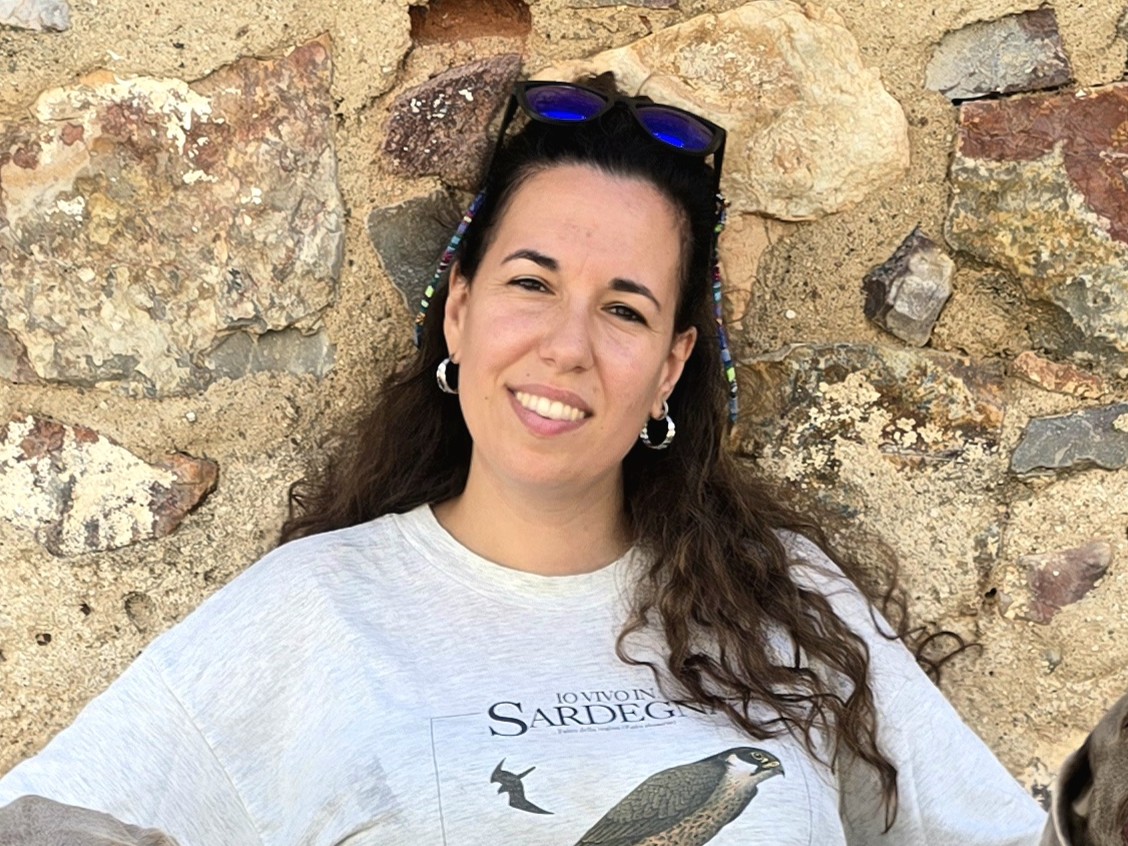
Elena Tena
Elena holds a PhD in Biology from the Complutense University of Madrid. Her thesis studied the distribution of bats in central Spain using acoustic surveys and its applications for conservation. After working as a postdoctoral researcher at the Doñana Biological Station (EBD-CSIC), she now coordinates the Atlas and Red Book of the Bats of Spain.
A SECEMU member since 2014, she served on the Board (2021-2025), is now SECEMU’s president and sits on the Web and Rescue Committees. She also coordinates the Rhinolophus mehelyi working group. Her work combines conservation-oriented applied research with a strong commitment to environmental education.
SCIENTIFIC COMMITTEE
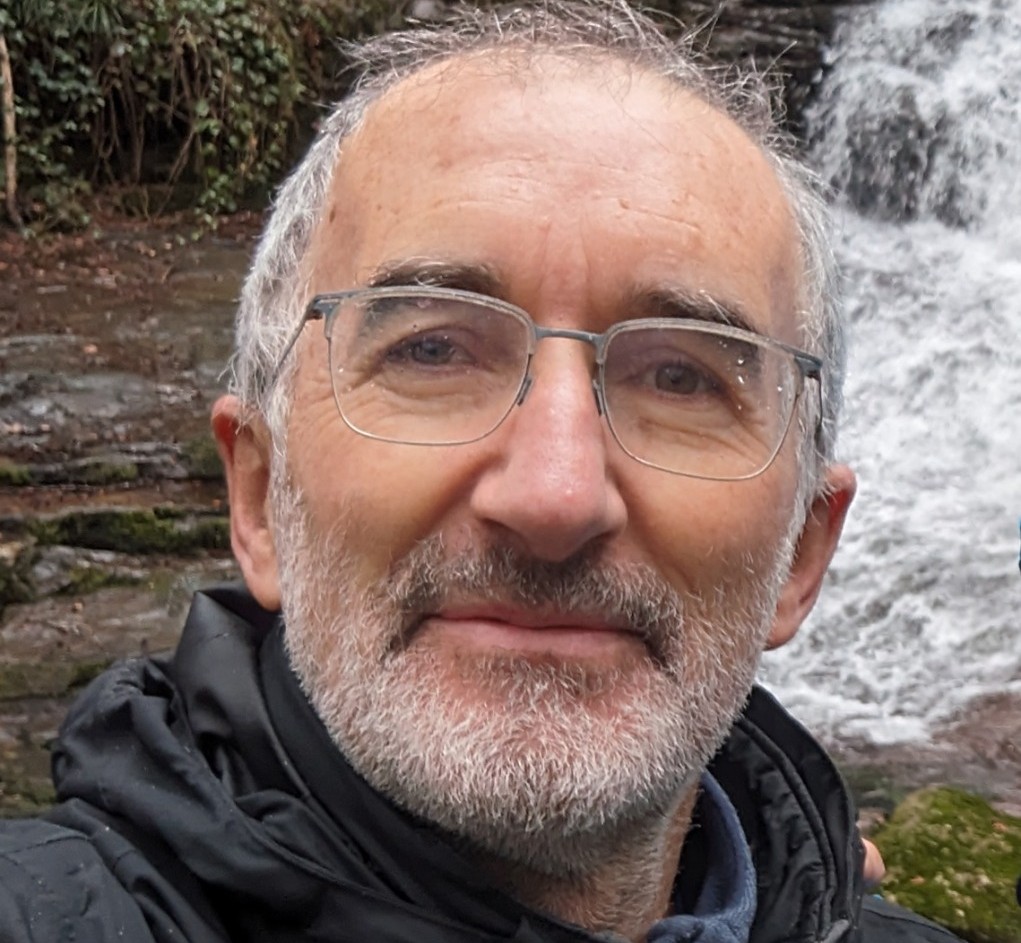
Juan Tomás Alcalde
Juan Tomás Alcalde holds a PhD in Biological Sciences and specialises in bats. He studies the environmental impact of wind farms and solar photovoltaic plants on bats, and also works on bat migration, conservation and outreach in Navarre and the surrounding area. He was president of SECEMU from 2010 to 2025.
Manuel Arzúa
Manuel Arzúa Piñeiro is a biologist with experience in the study and monitoring of protected species, especially bats. A member of the Sociedade Galega de Historia Natural (SGHN), he has led interpretive walks and other outreach activities for 25 years. With Morcegos de Galicia he is actively involved in various bat conservation and outreach projects. He worked in the UK for several environmental consultancies, monitoring a range of protected species and supervising the construction and maintenance of road infrastructure, and took part in the activities of several Bat Groups.
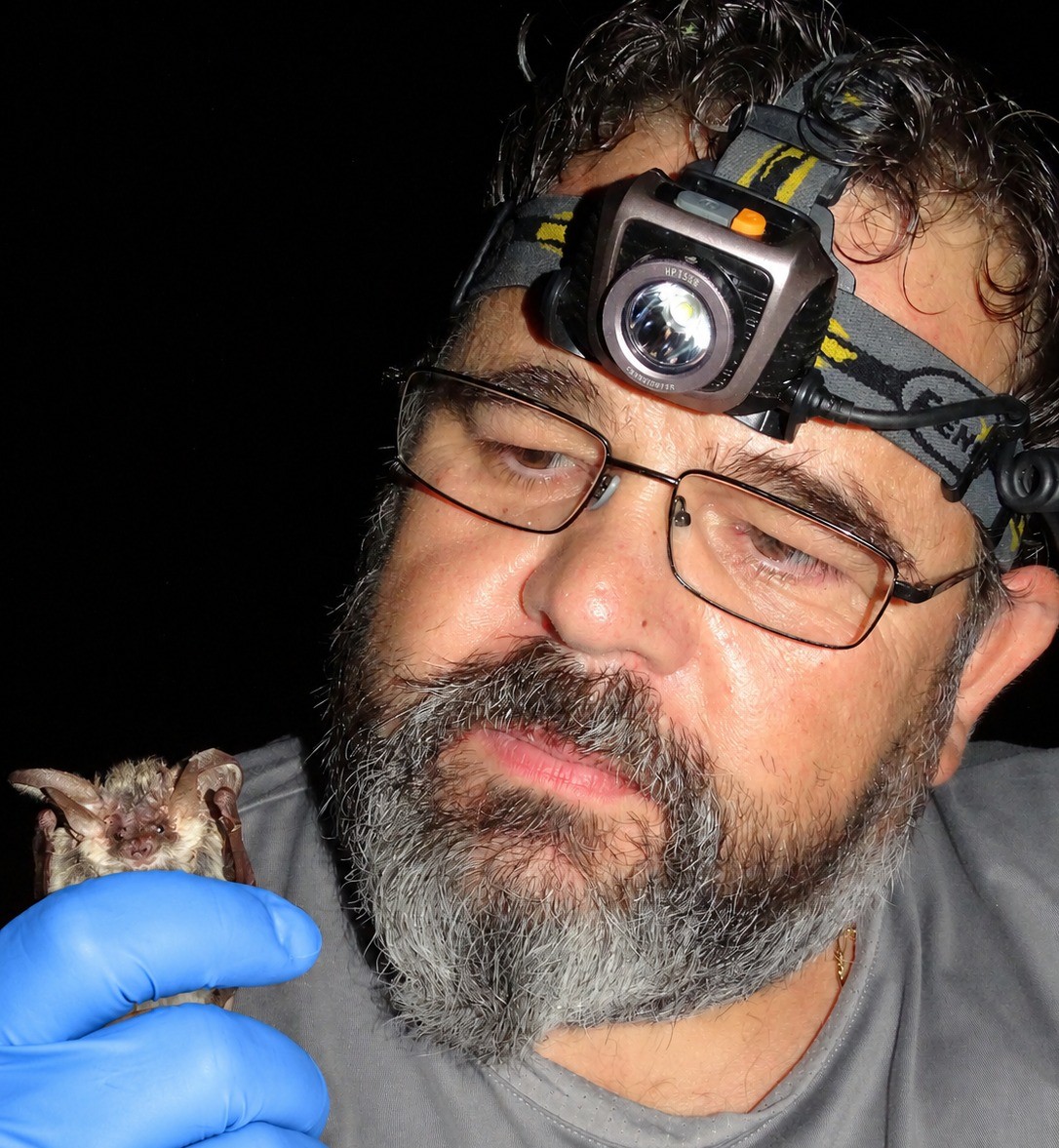
Paulo Barros
Paulo Barros is a senior technician and researcher at the Laboratory of River and Terrestrial Ecology (LEFT-CIDE) of the University of Trás-os-Montes and Alto Douro (UTAD), Portugal. He has more than 25 years of experience in nature conservation, environmental impact assessment and wildlife studies, with a particular focus on bat ecology and conservation. Since 2003 he has taken part in studies and monitoring programmes of underground roosts of national importance for bats in Portugal, and since 2008 he has been licensed to catch and handle bats for scientific purposes. He contributed to the Atlas and Red Book of the Bats of Spain, coordinated the bat team of the Red Book of the Mammals of mainland Portugal and led Portugal’s participation in the bat working group of the European Mammal Atlas. He is also a member of the SECEMU Board.
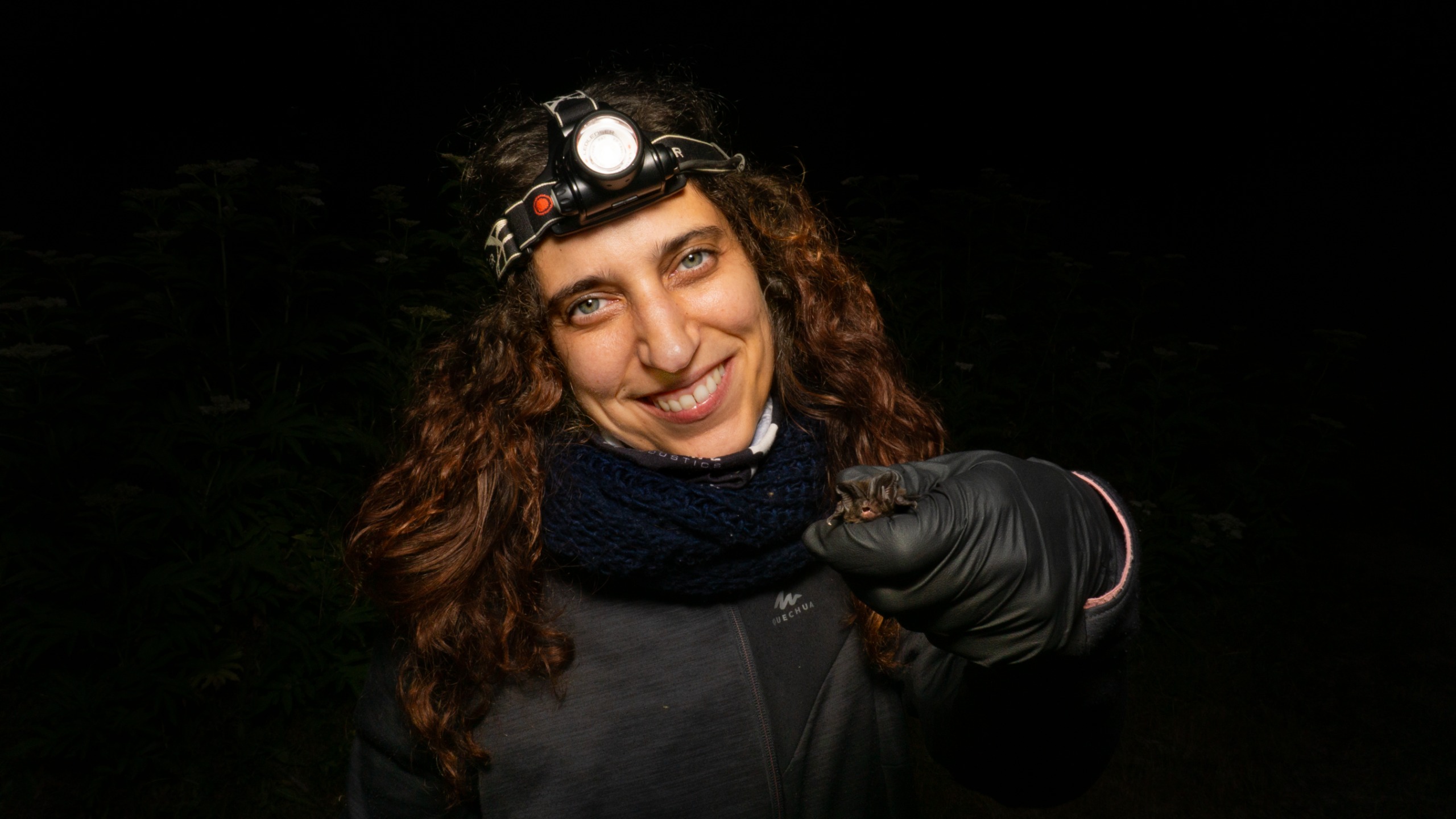
Alba Coronado Gomis
A biologist, she began working in 2014 as a technician on the Bat Monitoring Programme (Ratpenats.org) at the Museu de Ciències Naturals de Granollers, on projects focused on monitoring bat populations. In 2014 she joined SECEMU and became a member of the editorial board of the scientific journal JBRC (Barbastella).
In 2020 she also began working at the consultancy Wings, carrying out environmental impact studies of wind and solar installations. In 2023 she started her PhD, using acoustics to study how bats respond to different environmental disturbances, such as wind turbines, and in areas recently affected by wildfires.
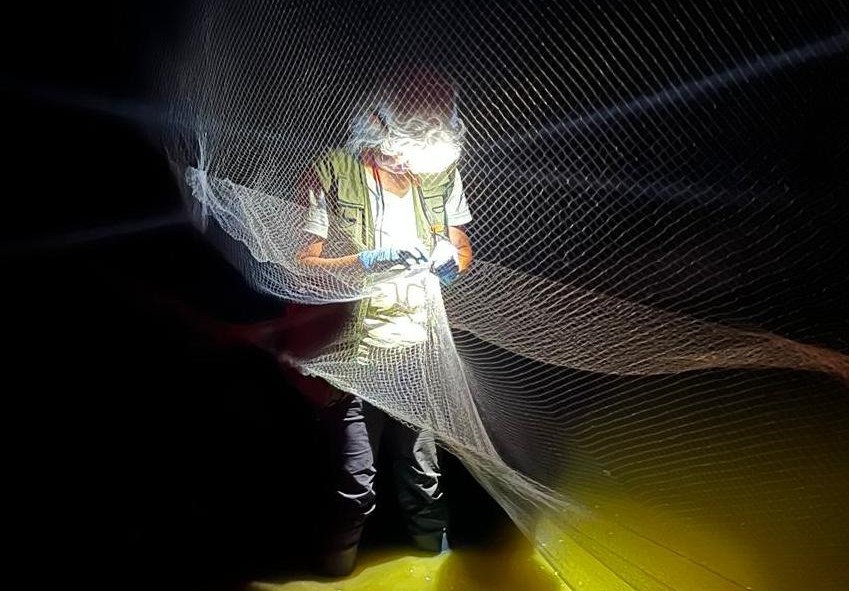
Ana Isabel Cordero González
Naturalist and social educator.
She has worked with bats since 1998, especially in Extremadura, where she has taken part in the main studies carried out in the region.
She currently works for several consultancies on bats and other wildlife groups, and also runs environmental education activities for various institutions.
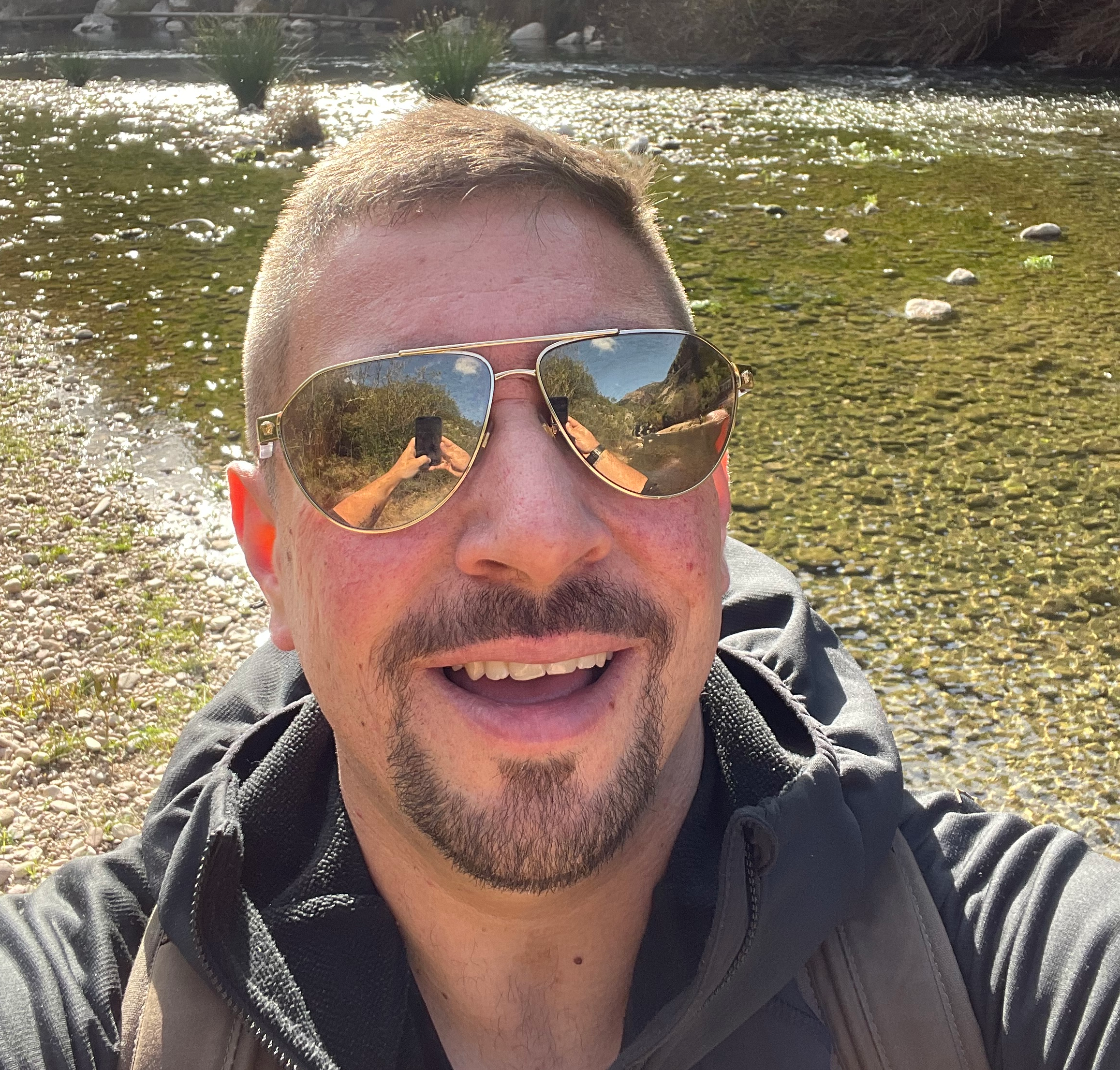
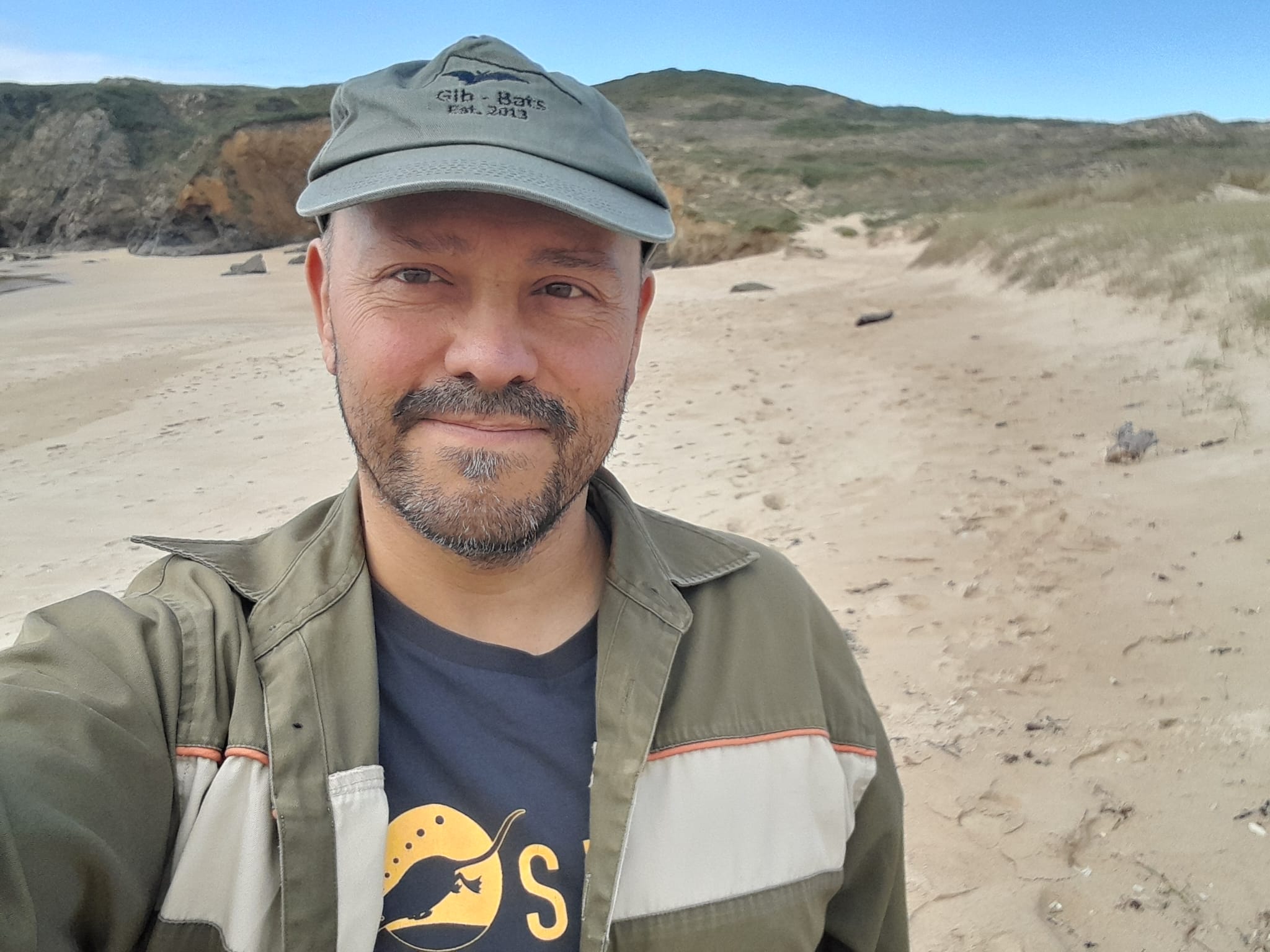
Stewart Finlayson
Dr Stewart Finlayson is Director of the Natural History Department at the Gibraltar National Museum and Project Director of the Gorham’s Cave Complex UNESCO World Heritage Site. His research covers evolutionary biology, vertebrate palaeontology, ornithology and chiropterology, with an emphasis on ecology, conservation and biogeography. Since 2013 he has led Gib-Bats, Gibraltar’s bat programme, and leads studies on the movements and connectivity of Miniopterus schreibersii in Gibraltar, southern Spain and North Africa. He served on the SECEMU Board from 2017 to 2023 and organised the 7th SECEMU Conference in Gibraltar in 2018. He is a member of the IUCN Bat Specialist Group and founder of MaghreBats, a research and conservation programme in Morocco. He is a Research Fellow at Liverpool John Moores University and a Research Associate at the University of Gibraltar. He has authored or co-authored more than 50 scientific publications and is currently writing his sixth book.
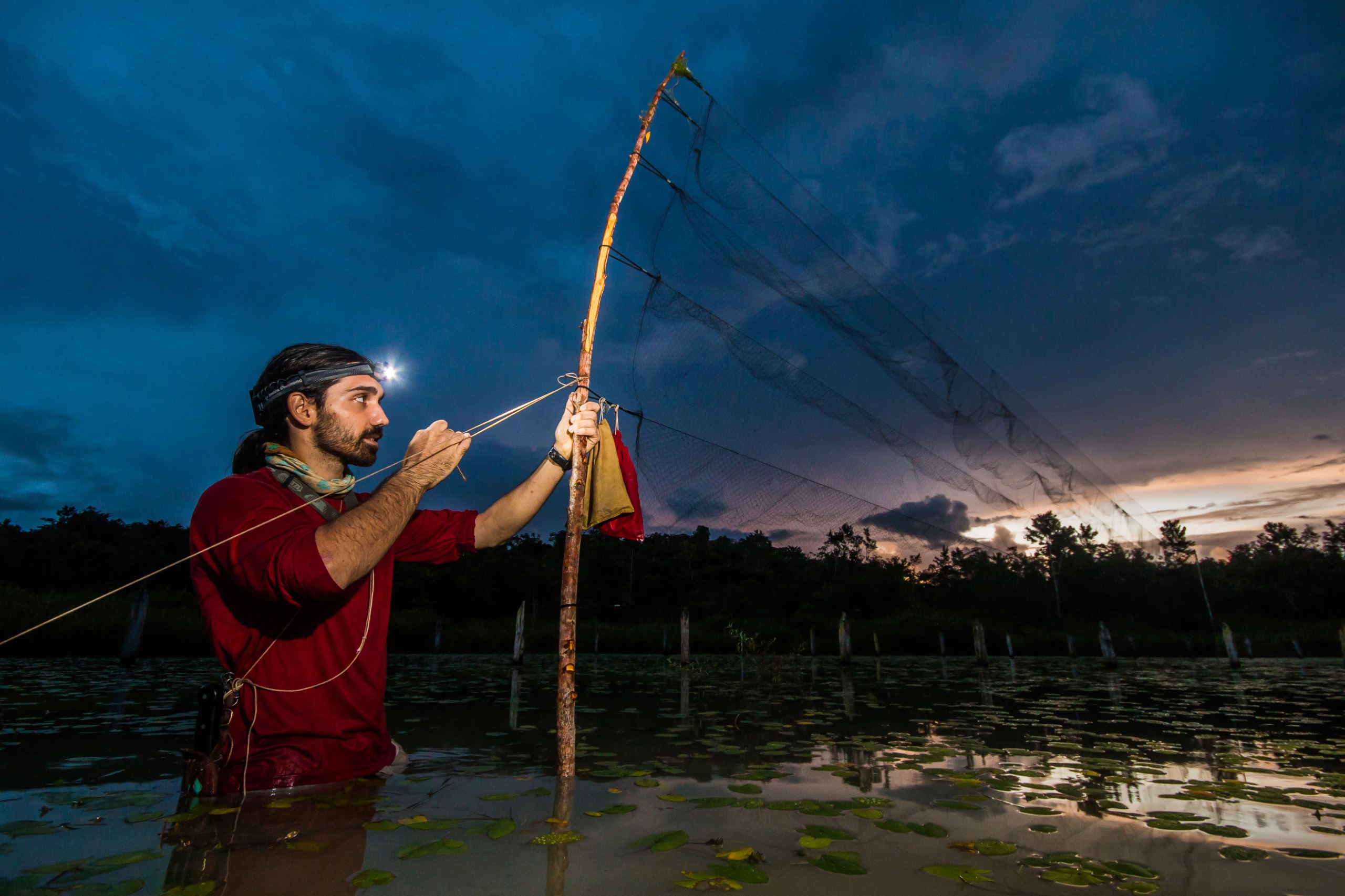
Adrià López-Baucells
Adrià López-Baucells is a biologist with a PhD in Biology and Biodiversity. His research focuses on applied ecology and bat conservation, mainly through citizen science, with the Bat Monitoring Programme. He is particularly interested in human–bat interactions and in researching and using ecosystem services as a tool to connect society, the natural environment and conservation. Over the last 20 years he has worked in Europe, Australia and the tropics. He has taken part in international projects monitoring wild populations of cave-dwelling and forest species, mainly through bioacoustics, always aiming to improve conservation strategies and policies. He recently received a Ramón y Cajal fellowship and currently co-leads the bat research area, with Dr Xavier Puig, of the BiBio research group.
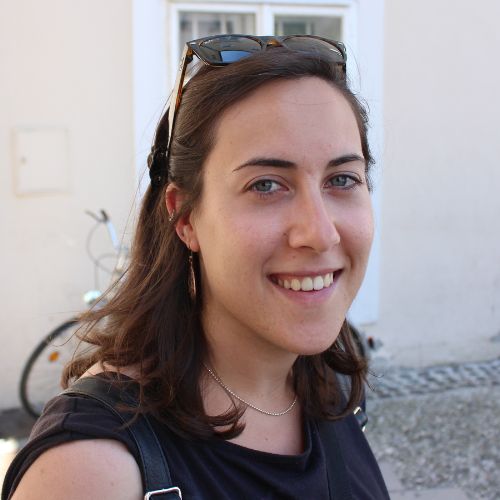
Maria Mas
Maria Mas recently completed her PhD on the relationship between bats and wetlands in a context of climate change, based in the Ebro Delta, one of the largest deltas in Western Europe. Her aim is to assess the existing knowledge gap on the interaction between bats and wetlands, and the importance of these threatened habitats during specific key periods such as hibernation. Her first contact with bats came during her degree at the Universitat Autònoma de Barcelona, and she continued her scientific training with a master’s thesis on the vertical stratification of insectivorous bats in the Central Amazon. Since then she has devoted herself to uncovering the intricate secrets of bat life through the study of echolocation, collaborating and working on various projects of the Bat Research Group at the Granollers Natural Sciences Museum. Since 2021 she has coordinated the Atlas of Mammals of Catalonia. She collaborates with the Bat Monitoring Programme and works as graphic designer for the “Journal of Bat Research & Conservation”.
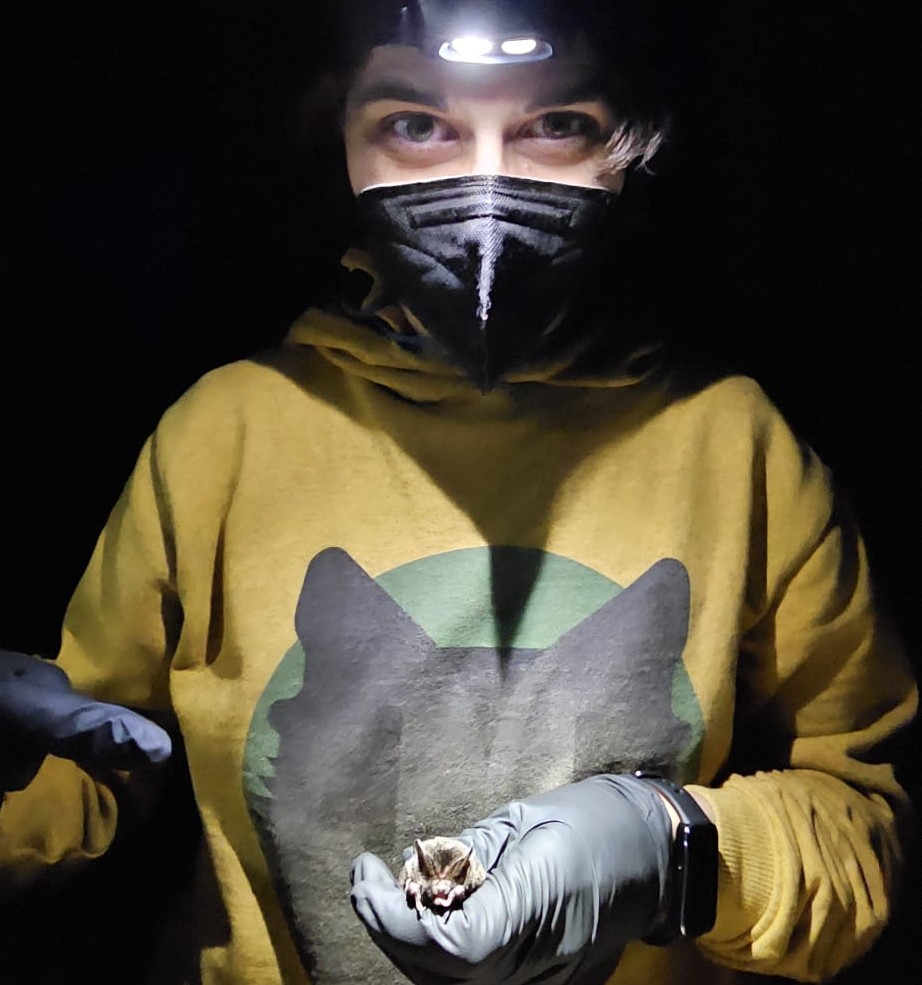
Ana Pino
An ecologist specialising in bats, with seven years of experience in the UK, where she has worked on the study, monitoring and conservation of protected species. Her career combines applied research, contributions to large-scale projects in sectors such as infrastructure, defence, housing and land management, and active involvement in conservation groups.
Her expertise lies in specialist bat survey methods, including acoustic analysis and roost inspections, radio-tracking, trapping and marking. On infrastructure and defence projects, she has worked to protect colonies in buildings, structures and trees, providing technical expertise to minimise impacts and deliver compensatory conservation measures at large scale.
In conservation, she is an accredited co-lead of the Danbury barbastelle project, a long-term study focused on understanding the spatial ecology of the barbastelle (Barbastella barbastellus) and promoting the protection of its key habitats. She is also actively involved in the Berks & South Bucks Bat Group, carrying out population monitoring and hands-on training for volunteers, strengthening local capacity for bat conservation.
Alongside her technical work, she contributes to outreach and training through talks and is an active committee member of the Essex Bat Group.
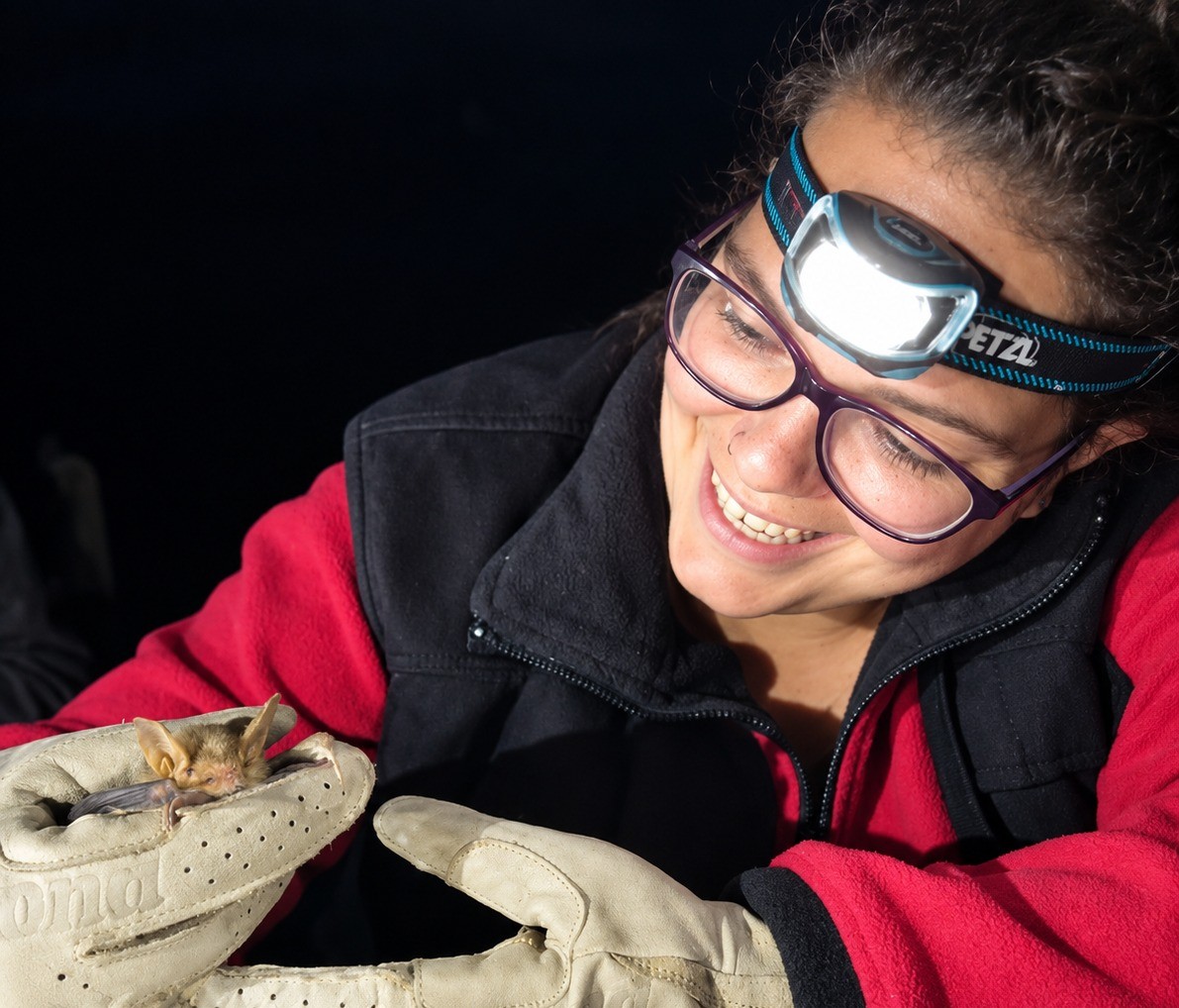
María del Mar Salguero
With degrees in Marine Sciences and Environmental Sciences, a master’s in Conservation and Management of the Natural Environment and a PhD from the University of Cádiz, with a thesis entitled “Bat conservation in southern Europe”, her professional and scientific career focuses on bats, with particular attention to the impact of wind farms and solar photovoltaic plants on their populations. She currently works in environmental consultancy alongside research in this field.
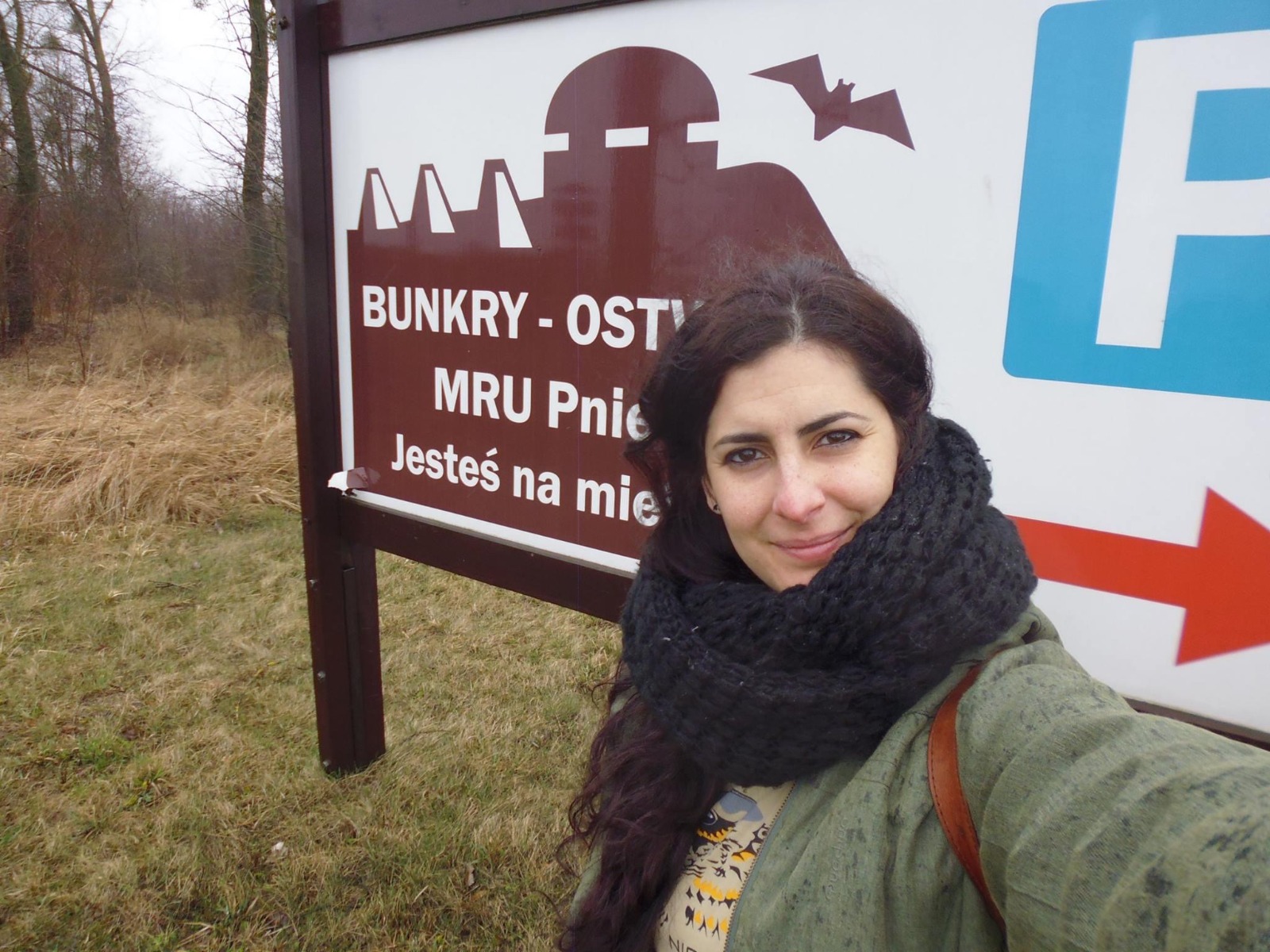
Sonia Sánchez-Navarro
Environmental scientist, SECEMU Board member and member of the Bats and Wind Farms, Bats and Photovoltaic Plants, and Rescue Committees.
With more than 15 years of experience, she has worked for various universities and research institutes and runs a consultancy specialising in bats. Her main interests are human impacts on bats, such as light pollution and renewable energy, and the coexistence of bats and people in urban environments. She is currently doing a PhD on bats and wind farms in southern Spain.
Jorge Sereno Cadierno
Jorge completed his PhD in 2026 at the Instituto de Investigación en Recursos Cinegéticos (Ciudad Real). Since 2018 he has worked on many bat conservation and research projects in Salamanca, the Region of Murcia, Castilla-La Mancha and Galicia, alongside outreach and teaching about these animals. He is broadly interested in the ecology, conservation and natural history of vertebrates (among other things) and collaborates on studies with various researchers and organisations.
Elena Tena
Elena holds a PhD in Biology from the Complutense University of Madrid. Her thesis studied the distribution of bats in central Spain using acoustic surveys and its applications for conservation. After working as a postdoctoral researcher at the Doñana Biological Station (EBD-CSIC), she now coordinates the Atlas and Red Book of the Bats of Spain.
A SECEMU member since 2014, she served on the Board (2021-2025), is now SECEMU’s president and sits on the Web and Rescue Committees. She also coordinates the Rhinolophus mehelyi working group. Her work combines conservation-oriented applied research with a strong commitment to environmental education.
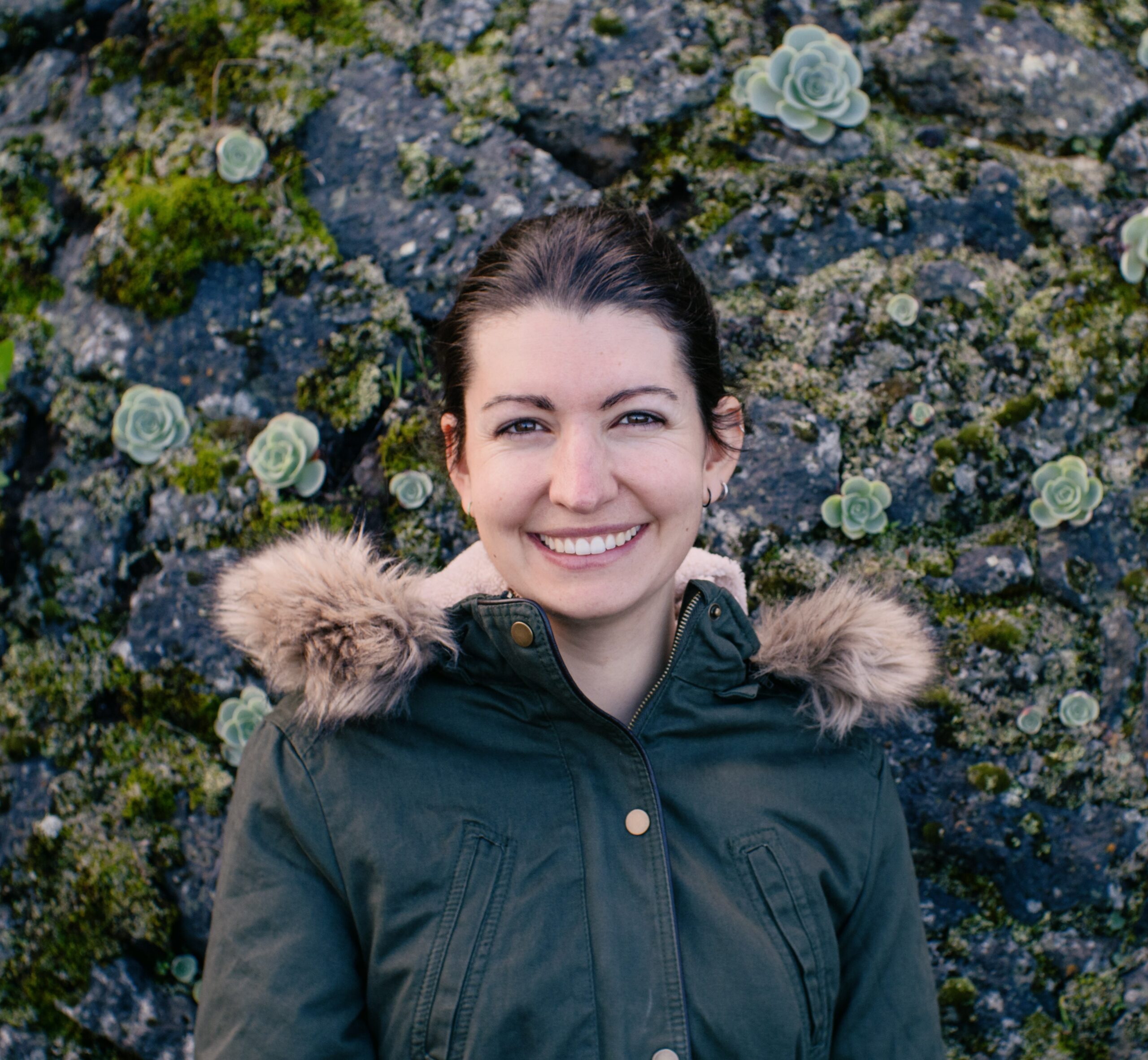
Laura Torrent
Laura Torrent is an ecologist with a PhD in Biodiversity, Genetics and Evolution. Her research focuses on the diversity, ecology and conservation of African bats, particularly in Equatorial Guinea. She has more than 13 years of experience collaborating on and leading research projects with national and international institutions, combining fieldwork, integrative taxonomy and conservation biology. Her work combines molecular analysis, bioacoustics and the study of scientific collections to expand knowledge of bat diversity in little-studied regions of Central Africa. With a long track record at international conferences and an active presence in the scientific community, she has contributed to knowledge of bats and their ecological role in ecosystems. She currently collaborates with the NGO “EG Wild” and takes part in IUCN Red List assessments for African bats.
CONTACT
If you have any questions, please email us at: [email protected].

Grupo secemu

Grupo secemu

Grupo secemu

Laura-Torrent____
